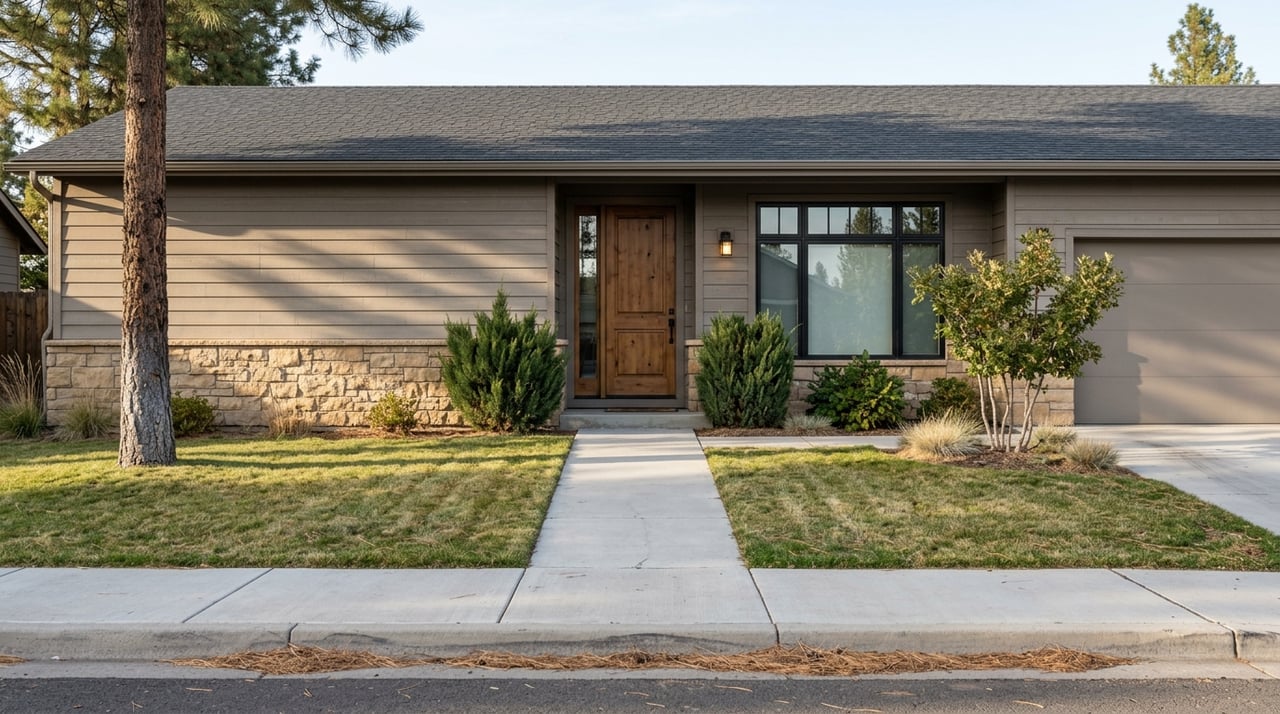
Lakewood vs Denver Housing: How to Choose Your Area
Trying to choose between Lakewood and Denver for your next move? You are not alone. Many buyers end up weighing these two areas because both offer quick-moving housing markets, good access to everyday amenities, and convenient connections across the metro. The real difference often comes down to how you want to live day to day, and that is exactly what this guide will help you sort through. Let’s dive in.
If you compare Lakewood and Denver only by commute time, you may miss what matters most. Average commute times are very close at 25.5 minutes in Lakewood and 24.9 minutes in Denver. That means your choice is usually less about saving a few minutes in the car and more about finding the right fit for your routine, housing goals, and preferred surroundings.
Lakewood tends to appeal to buyers who want a foothill-adjacent setting with more access to open space and a somewhat lower median sale price. Denver tends to fit buyers who want denser city living, more apartment and condo options, and stronger access to walkable downtown amenities. Both markets are competitive, so knowing your priorities early can help you move with more confidence.
One of the clearest differences between Lakewood and Denver is the housing mix. In Lakewood, about 47.2% of the housing stock is single-family detached, 10.7% is single-family attached, and roughly 24% is in buildings with 10 or more units. In Denver, 44% of housing is single-family detached, 11% is single-family attached, and 35% is in buildings with 20 or more units.
In plain terms, Lakewood still leans more detached and townhome-oriented, while Denver leans more heavily toward apartments and condos. If you want a broader suburban-style mix, Lakewood may feel like a better match. If you want a denser in-city environment, Denver likely offers more of what you are looking for.
Price is another factor. In March 2026, the median sale price was $579,950 in Lakewood and $630,000 in Denver. That puts Lakewood at about $50,000 lower than Denver based on current market data, though both markets were moving quickly and described as very competitive.
Homes also sold at a similar pace. Lakewood homes sold in about 18 days and saw about 3 offers on average, while Denver homes sold in about 19 days and saw about 2 offers on average. So while Lakewood may offer some price relief, you should still be ready for a fast market in either location.
Ownership trends can also tell you something about the feel of a market. Lakewood’s owner-occupied rate is 58.1%, compared with 48.8% in Denver. Median owner-occupied housing value is also lower in Lakewood at $574,400, compared with $616,000 in Denver.
These numbers do not tell the whole story, but they do support the idea that Lakewood has a somewhat stronger owner-occupied profile. For some buyers, that lines up with what they want in a neighborhood search. Others may prefer Denver’s denser mix and broader range of urban housing options.
If your work, appointments, or social life pull you toward central Denver, transit access may shape your decision. Lakewood is served by RTD bus routes and the W Line, a 12.1-mile light rail route running from Denver’s Union Station to Jefferson County Government Center through Denver, Lakewood, and Golden. The line includes 15 stations and supports downtown access from the western suburbs.
That setup can be appealing if you want some separation from the city core but still want a direct rail option. For buyers who like the idea of living on the edge of the metro while keeping downtown within reach, Lakewood offers a practical middle ground.
Denver, on the other hand, is built around a more transit-dense environment. Central corridors such as 18th, 19th, and Lincoln streets include regular RTD routes, and the Free MetroRide loop connects Union Station with Civic Center Station. If you want your daily routine to include more transit choices in a more urban street network, Denver may feel easier to navigate.
For many buyers, this is the real decision point. Lakewood has a strong outdoor identity, with 114 parks, 240 miles of trails, and more than 7,400 acres of open space. Major outdoor assets include Bear Creek Lake Park, William F. Hayden Park on Green Mountain, and Belmar Park.
William F. Hayden Park alone has more than 2,400 acres, which gives Lakewood a very different feel from a more urban setting. If you picture yourself using trails often, spending weekends near open space, or enjoying foothill views as part of everyday life, Lakewood has a strong case.
Denver offers a different kind of park experience. The city has more than 280 urban parks plus 14,000 acres of mountain parks, and its trail system connects neighborhoods across the city. City Park, Denver’s largest urban park, covers more than 300 acres and includes major cultural attractions.
So the choice is not outdoor access versus no outdoor access. It is more about what kind of access fits you best. Lakewood leans toward foothill-adjacent open space and trail living, while Denver offers a mix of urban parks, connected trails, and city-based cultural destinations.
Your neighborhood choice also shapes how errands, dining, and free time feel. In Lakewood, activity tends to center around major hubs. Belmar is described as Lakewood’s downtown, with a 22-block mixed-use district that includes more than 80 shops and restaurants, residential units, office space, and public plazas.
Other Lakewood convenience zones include Lakewood City Commons and Colorado Mills. Together, these areas create a practical pattern of retail, dining, and entertainment across the city. For many buyers, that feels convenient without feeling overly dense.
Downtown Denver offers a more layered urban experience. It is known for walkable access to shopping, restaurants, museums, live music, sports, and transit. The 16th Street promenade, Union Station area, Civic Center Park, Denver Performing Arts Complex, Larimer Square, and nearby LoDo destinations all support a more concentrated city lifestyle.
If you want your amenities spread across strong suburban-style centers, Lakewood may fit better. If you want a walkable downtown environment with a dense mix of uses close together, Denver may be the stronger match.
When buyers feel stuck between Lakewood and Denver, it usually helps to simplify the decision. Start with a few practical questions:
These answers can tell you more than commute time alone. In many cases, they will point clearly toward one market.
Lakewood may be the better fit if you want more detached or townhome-style options, a higher share of owner-occupied housing, and quick access to open space. It can also make sense if you want to stay connected to downtown Denver through the W Line while living outside the city core.
Buyers relocating from lower-density areas often like Lakewood because it offers a balance of convenience and breathing room. It can also appeal to people who want a practical price comparison without leaving the west side of the metro.
Denver may be the better fit if you want denser in-city living, more apartment and condo inventory, and stronger access to walkable downtown amenities. It also stands out if you value being close to major transit corridors, entertainment venues, and a more layered urban environment.
For buyers who want the city to be part of their daily routine, Denver often feels more aligned. If your ideal day includes walking to destinations, using transit often, and living near a wide mix of activity, Denver may be the clearer choice.
There is no one-size-fits-all winner in the Lakewood versus Denver decision. Both markets are competitive, both move quickly, and both offer access to parks, transit, and everyday convenience. The smarter question is which place fits your budget, your preferred housing type, and the way you actually want to spend your time.
If you want clear, practical guidance as you compare neighborhoods, home styles, and tradeoffs across the Denver-area market, David Petersmith can help you narrow your options and move forward with confidence.
Stay up to date on the latest real estate trends.
Work with Choice Property Brokers LTD for expert guidance in the Colorado real estate market. Whether you're buying your first home, upgrading, or selling your property, our team provides local insight, strategic pricing, and personalized service to help you achieve the best results.

43 Mt Evans Blvd Pine, CO 80470