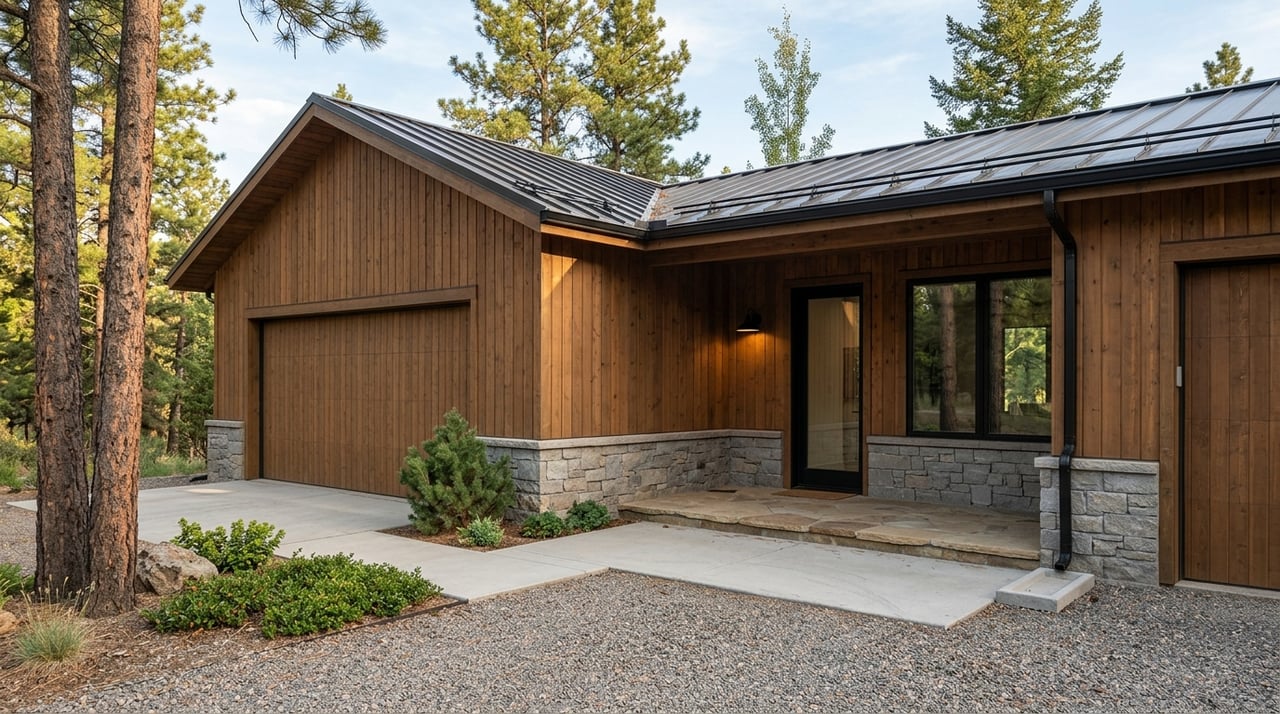
First-Time Buyer Guide To Conifer Mountain Homes
Buying your first mountain home can feel exciting right up until the questions start piling up. How steep is the driveway? Who plows the road? Is the home on a well or septic? If you are looking at Conifer mountain homes in 80433, those are not side questions. They are central to the decision. This guide will help you understand what matters most, what to ask before you buy, and how to approach your search with more confidence. Let’s dive in.
Conifer sits in southwestern unincorporated Jefferson County, and US 285 is the main access road for much of the area. Jefferson County describes the Conifer and 285 corridor as a mountain area known for its rural atmosphere, low-density housing, open space, environmental quality, and wildlife.
For a first-time buyer, that setting can be a big part of the appeal. It also means your home search should go beyond square footage and finishes. In Conifer, the land, access, and utility setup can shape daily life just as much as the house itself.
One of the biggest first-time buyer mistakes in mountain areas is focusing only on the home. In Conifer, Jefferson County planning treats many properties as site-constrained because factors like wildfire hazard, slope, and utility availability affect what works on a parcel.
That means you are often buying a site-and-structure package. Lot size, driveway length, slope, snow storage, water source, septic placement, and defensible space can all affect convenience, maintenance, and future resale.
The county plan shows a range of residential forms in the corridor. Near the 285 and Highway 73 area, you may see somewhat more concentrated residential uses, while the edges tend to have single-family detached homes on larger lots.
That pattern matters because larger lots often come with more systems and more responsibility. A beautiful home on a wooded parcel may also require more attention to access, drainage, wildfire mitigation, and seasonal maintenance.
If you are shopping for your first home in Conifer, you may come across several property styles depending on where you look in the corridor.
The key is not deciding which style is best in general. It is figuring out which setup best fits your comfort level, budget, and willingness to handle mountain-specific upkeep.
A home can look perfect online and still create real stress in winter if access is difficult. Jefferson County Road & Bridge District IV serves Conifer, Pine, and Buffalo Creek, and the county states that US 285 is the primary access road for most of the area.
County snow removal applies to unincorporated county roads, but it does not cover state highways, private roads, or newly built roads that have not been formally accepted. In mountain areas, plowing and traction-material application do not take place from 9 p.m. to 3 a.m., and some residential Priority 3 and 4 roads may remain snow-packed if they are still passable by passenger cars.
Before you make an offer, ask clear questions about access.
These details can affect your routine commute, deliveries, guest access, and winter peace of mind.
Water service in mountain areas is not always simple. Jefferson County is not a water provider, and many different providers serve county residents. In some parts of the county, a substantial number of homes receive water from private wells.
If a home uses a private well, Jefferson County Public Health notes that private water supplies are not regulated by local or state agencies. The county recommends annual testing for contamination, and common well-water tests should include bacteria, nitrate, and fluoride.
If you are considering a home with a well, ask for:
This last point is especially important because some well permits do not allow irrigation. If you are picturing a large garden or significant outdoor watering, you will want to confirm what the permit allows before you buy.
Many Conifer-area homes are not connected to public sewer. Jefferson County states that onsite wastewater treatment systems, commonly called septic systems, are used on properties that do not connect to public sewer.
A typical septic system includes a septic tank and a soil treatment area. The county regulates installation, repair, replacement, and other changes, which makes records and system condition important parts of your due diligence.
When reviewing a property with septic, ask for:
Jefferson County also advises property owners to have tanks inspected and pumped regularly, avoid overloading the system with too much water, and address backups or leaks quickly. Erosion and excess watering can damage the drainfield, so the way the site is laid out matters here too.
In Conifer, wildfire is not a background issue. Jefferson County’s area plan states that most of the area is in severe or moderate wildfire hazard. The county also warns that rural fire protection can involve long response times, limited water, difficult topography, substandard access roads and driveways, and limited evacuation options.
For a first-time buyer, this means you should evaluate both the house and the surrounding site with care. Wildfire preparation is not a one-time project. Colorado State Forest Service guidance says it requires ongoing maintenance.
CSFS recommends starting with the home’s structural ignitability. Helpful features include:
Defensible space also matters. CSFS emphasizes a clear 0 to 5 foot zone, reduced fuels in the 5 to 30 foot zone, and broader fuel management out to 100 feet.
Some details are easy to overlook during a showing. They still matter.
These points can affect safety, insurance conversations, and the amount of work you may need to plan after closing.
Mountain life can be rewarding, but winter requires preparation. Jefferson County recommends snow tires and notes that chains may be required in the mountains. The county also advises keeping your gas tank at least half full, insulating pipes to help prevent freezing, keeping traction materials like rock salt, sand, or cat litter on hand, and stocking alternate heat sources and emergency supplies.
The county also warns that heavy snow can damage decks, roofs, and tree branches. If you are buying your first home in Conifer, it helps to think ahead about what seasonal maintenance will look like, especially if the home has a long roofline, tall trees, or exposed decks.
As you narrow down Conifer mountain homes, use this checklist to stay focused on the details that matter most.
Buying in Conifer is different from buying in a more typical suburban market. You are not just choosing a home style or floor plan. You are evaluating road access, seasonal conditions, water systems, wastewater systems, and property upkeep.
That is where practical mountain-market experience can help. A broker with local knowledge and construction-aware insight can help you spot tradeoffs early, ask better questions, and avoid surprises after closing.
If you are buying your first mountain home in Conifer, it helps to work with someone who understands both the home and the land it sits on. For calm, straightforward guidance, connect with David Petersmith.
Stay up to date on the latest real estate trends.
Work with Choice Property Brokers LTD for expert guidance in the Colorado real estate market. Whether you're buying your first home, upgrading, or selling your property, our team provides local insight, strategic pricing, and personalized service to help you achieve the best results.

43 Mt Evans Blvd Pine, CO 80470